Select Country
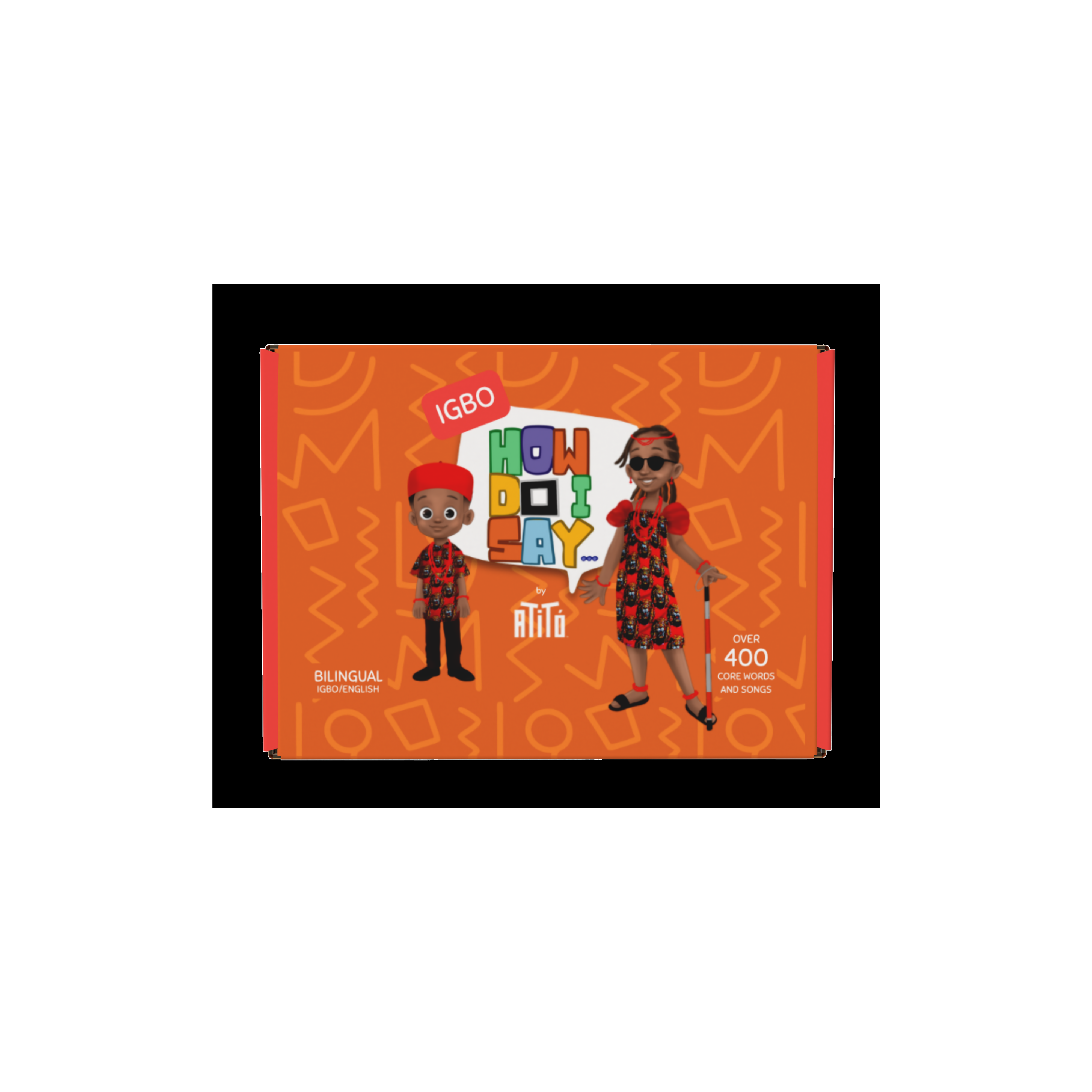
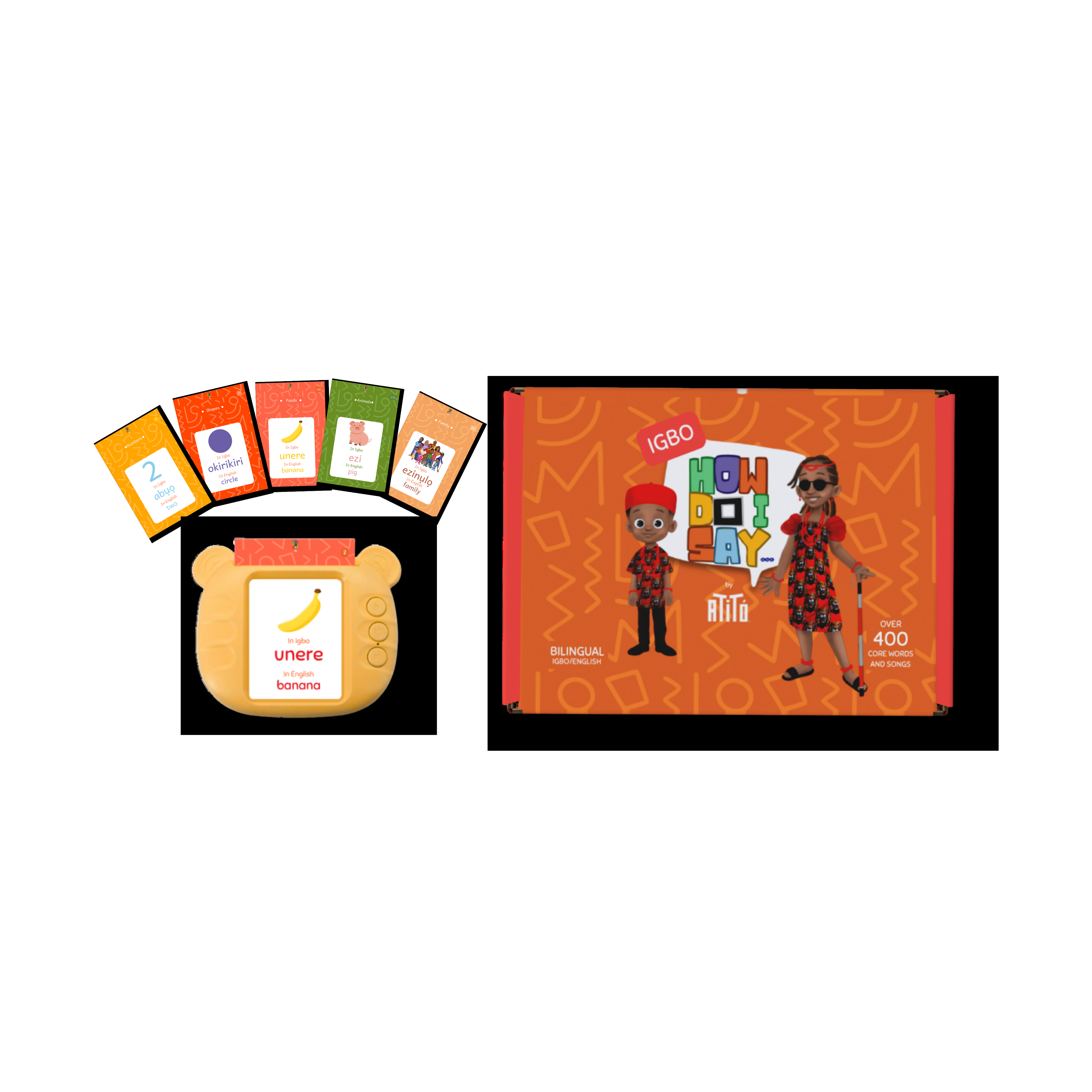
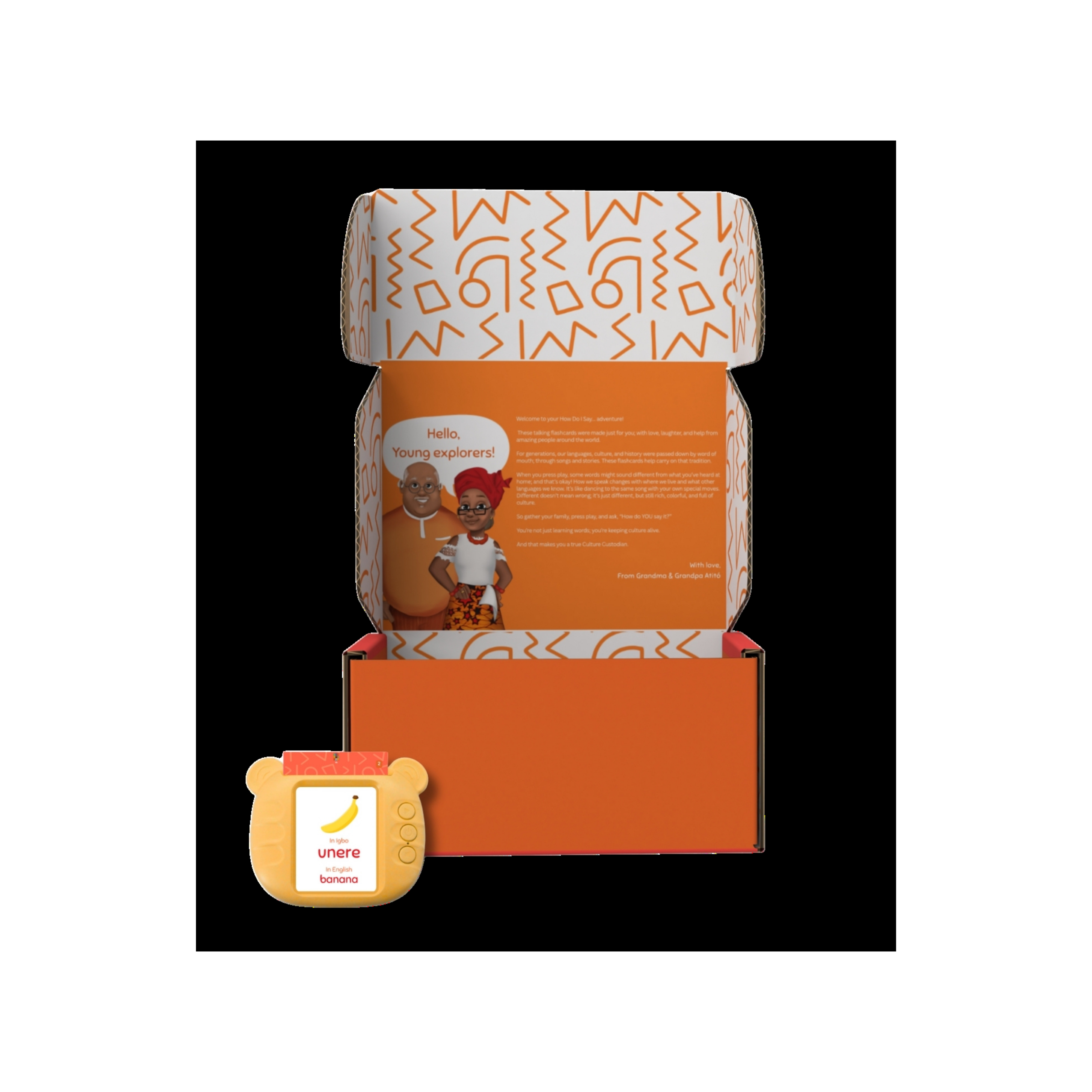
Igbo Language Flashcards
- Screen-free learning — perfect for ages 1+
- Words, sounds, and songs for everyday life
- Culturally rooted — greetings, animals, foods, numbers, and more
- Fun for the whole family
Select your region to order:
Order on PaystackLearn Igbo
Historical Roots
The Igbo people have a storied history of decentralised governance, with traditional village democracies that emphasise equality and community decision-making. The Igbo were also known for their role in trade and craftsmanship across West Africa.
40+ million
Predominantly in Nigeria, parts of Cameroon, and diaspora communities.
Unique Alphabet
There are 36 letters in the Igbo alphabet, which can be called Mkpụrụedemede, or Abidii (A B D). The English letters not found in the Igbo alphabet include C, Q, and X.
Culture & Arts
Proverbs & Stories: In Igbo culture, proverbs are tools for teaching, guiding, and preserving values. An example is "A person who lives by the river cannot wash their hands with spittle," which emphasises the Igbo value of resourcefulness.
Traditional Dress & Arts: In Igbo culture, what you wear speaks volumes about who you are and where you come from. For example, the "Isi Agu” is often worn during ceremonies and celebrations, with its bold lion-head motif representing strength, leadership, and pride.
Uli is a traditional Igbo art form known for its flowing lines and intricate patterns. Historically painted on the body or drawn on walls, Uli designs were created by women and used to mark special occasions, beauty, and storytelling.
Market Days: The Igbos have 4 market days Eke, Orie, Afọ and Nkwọ
Music & Celebration
Music & Dance: Igbo music often features the Ogene and Udu drums, with its influence seen in modern Afrobeats and highlife music.
Festivals & Traditions: Example: The New Yam Festival, celebrating the harvest and marking the beginning of the Igbo calendar year.